












「ジャポニズム」五感で味わう焼き鳥を世界に
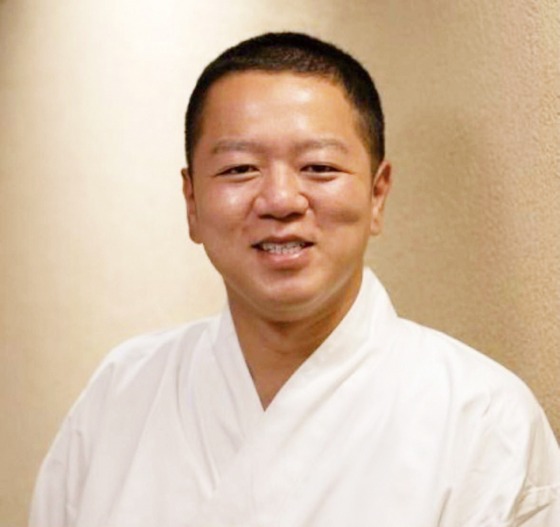
原 将之さん
香川県出身。母親がパン教室の先生をしていたことから、中学生のときより自然と食に関心を持つ。自分でつくった料理をふるまい、喜ばれた経験をきっかけに料理の道へ進む。趣味も料理、食べ物に関することで、海外で食文化に触れるのが楽しみ。
「ハワイでバーベキューをしたとき、豪快に火を扱うのが楽しかった。その体験が、焼き鳥専門店を手がけることにとつながっていると思います。フィリピンは、エビやイカなど海鮮がおいしく、しっかりした味付けの料理が多い印象。大皿に料理を盛って家族一緒に食べる、家族で外食を楽しむといったように、食事においても家族との時間を大切にしている国だと思います」
Hara Masashi
Chef / CEO, Ikoka Japanese Yakitori Restaurant
Born in Kagawa Prefecture, Japan, Hara developed an interest in food early on, inspired by his mother who taught bread-making classes. By junior high, cooking had become a natural passion. The joy he felt when serving his own dishes and seeing people’s reactions led him to pursue a career as a chef. Even outside of work, his hobbies revolve around food, and he enjoys experiencing culinary cultures abroad.
“When I had a barbecue in Hawaii, I found great excitement in cooking dynamically over an open flame. In the Philippines, I have been impressed by the abundance of delicious seafood such as shrimp and squid, and by the bold, robust flavors of the cuisine. Meals are often served on large plates for the family to share, and dining out together is common as well. I realize the Philippines is a country where food is closely tied to spending meaningful time with family.”
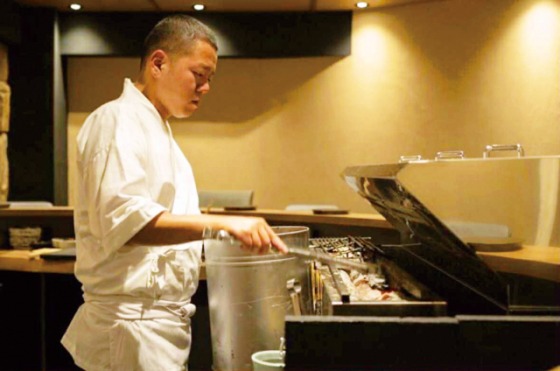
9月、マニラ首都圏タギッグ市BGCに開店した「いこか」は、大阪の「炭火焼鳥いこか」の海外進出第1号店。『ミシュラン京都・大阪』で5年連続「ビブグルマン」にも選ばれた店を率いる原将之シェフに、焼き鳥への思い、そして海外展開について聞きました。
日本料理の感性の精華、焼き鳥
日本料理の魅力は、食材の旬を大事にして、おいしさを引き出すところにあると思います。手を加えるのではなく、食材が本来持つ味を楽しむ──そこに日本人ならではの感性や繊細さが表れている気がします。
焼き鳥もその1つですね。鶏肉を串に刺して、じっくり焼くだけ。とてもシンプルに見えます。しかし火加減や焼くタイミングで仕上がりがまったく変わってしまう。とても奥深い世界です。香ばしい香りや、にじみ出た脂が落ちる時のジュッという音、きつね色に焼けた見た目、かんだ瞬間の食感、口いっぱいに広がるうまみ……このように、五感すべてで楽しむ料理、それが焼き鳥であり、 日本の食文化を象徴していると思います。
私が焼き鳥を専門に選んだ理由もそこにあります。シンプルだけど奥が深い。食材・技術・タイミング、そのすべてがかみ合って初めて完成する料理であり、職人として挑み続ける意義があると感じたことが原点です。
世界の人が楽しめる焼き鳥
日本の店では、毎朝1本1本丁寧に串打ちして、炭火で焼き上げています。ひと口ごとに幸せを感じてもらえる焼き鳥を届けたいという思いで続けてきました。『ミシュラン』に選ばれたときは驚き、光栄に思いましたが、やはり一番うれしいのはお客様から「おいしかった。また来るね」と言っていただいたとき。
最近は欧米、アジアからのお客様も増えたことから、海外進出を目指すようになりました。鶏肉は一般に世界のあらゆる国で食べられている肉であること、日本の食文化が世界的に注目を集めていることからも、焼き鳥はもっと多くの人々に知ってもらい、食べてもらえる可能性を秘めていると思いますね。
焼き鳥を通じて届けたい日本の「粋」
マニラはとてもエネルギッシュで、人々も温かい。その中でもBGCは経済成長が著しく、多国籍の人が集まる国際的な街。ここなら日本の食文化を受け入れてもらえると感じて、海外第1号店をオープンしました。日本の屋台のように気軽に立ち寄れる雰囲気と、この街ならではの洗練さをあわせ持つ空間を目指しています。ただ食事を楽しむだけでなく、日本文化の“粋”を感じてもらえる場所にしたい。そして、ここを拠点に、『焼き鳥を楽しむ文化』をマニラに根づかせ、いずれはほかの都市にも展開していきたい。『フィリピンで焼き鳥といえば、いこか』──そんなブランドに育てていくことが目標です。
Yakitori and the Spiritof Japanese Cuisine
In September, Ikoka opened its doors in BGC—the first overseas branch of Osaka’s renowned Sumibi Yakitori Ikoka, led by Chef Masashi Hara, which has been awarded the Bib Gourmand in the Michelin Guide for five consecutive years. We spoke with Chef Hara about his passion for yakitori and his vision for taking it to the world stage.
The Quintessence of Japanese Sensibility
The beauty of Japanese cuisine lies in how it respects the seasons and draws out the natural flavors of each ingredient. Rather than overworking the food, we savor its innate taste—and I believe that is where the Japanese sense of delicacy and refinement truly shines.
Yakitori is one of these dishes. At its core, it’s simply skewering chicken and grilling it. The process looks straightforward, but the slightest change in heat or timing completely alters the result. That’s what makes it such a profound craft. The smoky aroma, the sizzle of fat dripping, the golden-brown surface, the texture when you bite in, and the rush of umami that fills your mouth…
Yakitori engages all five senses. To me, it embodies the very essence of Japanese food culture.
The reason I chose to specialize in yakitori comes down to its profoundness in simplicity. It’s a dish that comes to life only when ingredients, technique, and timing are in perfect harmony. For me, that challenge is what gives true meaning to being a chef with the spirit of a true craftsman.
Yakitori Goes Global
At my restaurant in Japan, every morning begins with carefully skewering each piece of chicken and grilling it over charcoal. My goal is to serve yakitori that delivers happiness in every bite. When our restaurant was listed in the Michelin Guide Bib Gourmand, I was surprised and honored—but honestly, nothing makes me happier than when a guest says, “That was delicious, I’ll be back.”
In recent years, we’ve seen more and more guests coming from overseas, which led me to consider expanding internationally. Chicken is enjoyed universally, and Japanese cuisine is attracting attention around the world. I believe yakitori has the potential to be appreciated by more people globally.
Establishing a”Yakitori Culture”
Manila is a city full of energy, and its people are incredibly warm. I opened Ikoka’s first overseas branch in BGC because of its remarkable economic growth and cosmopolitan character. I was confident that Japanese food culture would be well received.
At Ikoka BGC, we aim to create a space that combines the casual, inviting feel of a Japanese street stall with the sophistication that reflects BGC’s modern vibe. I want it to be a place where people can not only enjoy a meal but also experience the iki—the refined, stylish spirit—of Japanese culture.
I hope to establish a culture of enjoying yakitori in Manila and expand to other cities. My ultimate goal is to make Ikoka synonymous with yakitori in the Philippines.